Caffeine pouches and energy pouches: the market, the rules and who is entering (2026)
Short answer: caffeine pouches, also called energy pouches, are nicotine-free pouches with added caffeine – 20–100 mg per pouch in Sweden and 50–200 mg in the US. In Sweden, the food safety agency confirms there is currently no age limit and no requirement to warn about the caffeine. Demand is growing fast: “caffeine pouches” is searched about 49,500 times a month in the US, and “energy pouches” is up about 83% in a year. The category sits in a regulatory grey zone that authorities are now starting to close.
What are caffeine pouches?
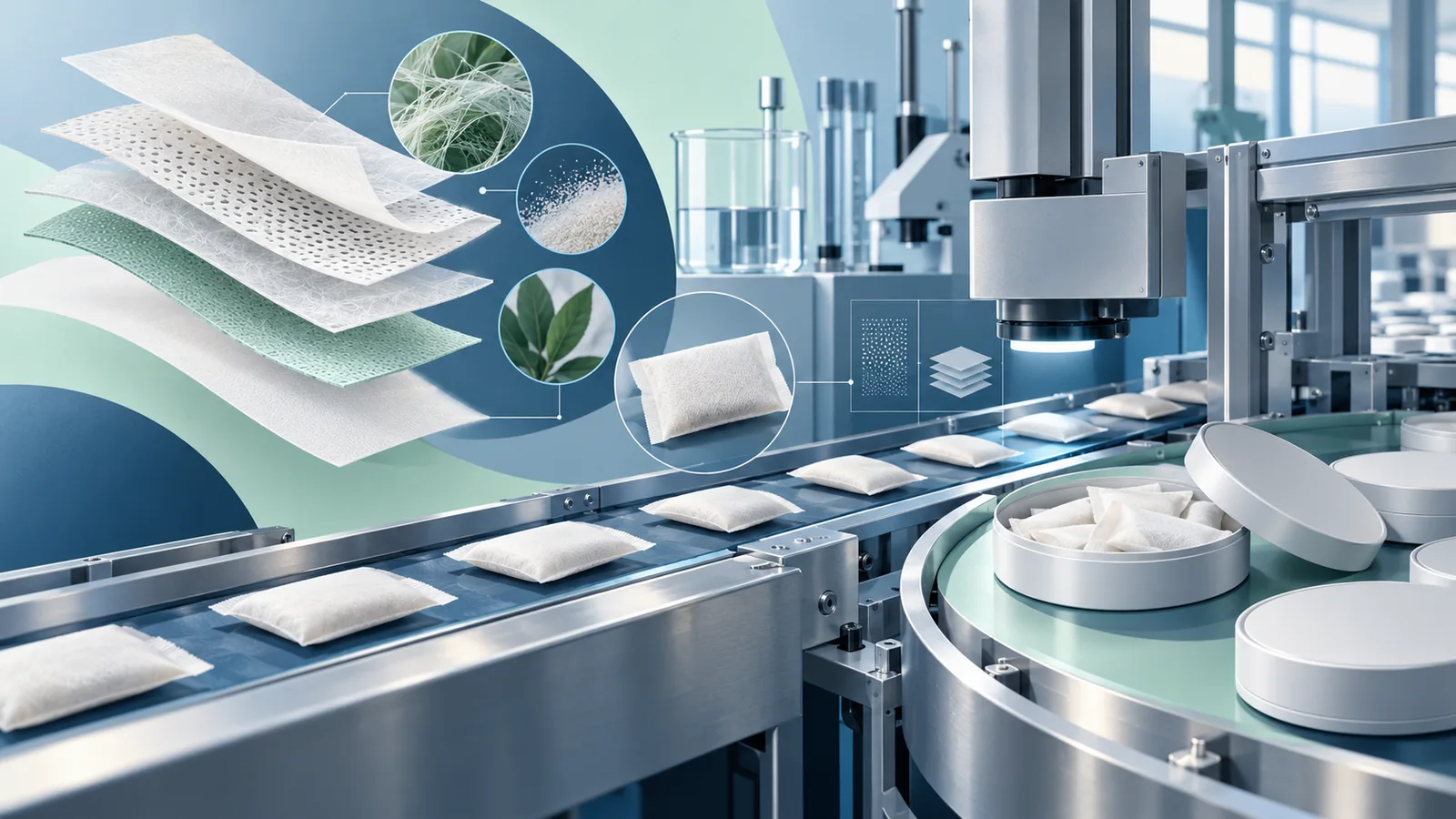
Caffeine pouches look like nicotine pouches but contain caffeine instead of nicotine. Sweden’s food agency, Livsmedelsverket, says products on the Swedish market contain 20–100 mg of caffeine per pouch and classes them as high-caffeine products. In the US, 50–200 mg per pouch is common. The caffeine is absorbed through the lining of the mouth, and several doctors point to the speed of absorption, rather than the total amount, as what sets the format apart from coffee and energy drinks.
Sweden: no age limit and no warning requirement
Livsmedelsverket’s May 2026 report on caffeine for children and young people sums up the situation:
- Nicotine and caffeine cannot be combined. Pouch products containing nicotine may not contain caffeine under Sweden’s ordinance on tobacco-free nicotine products (2022:1263).
- The age limits do not apply. The 18+ rules in Swedish tobacco and nicotine product law do not cover nicotine-free pouches.
- Only an ingredient list is required. Nicotine-free pouches fall under the agency’s rules for snus and snus-like products (LIVSFS 2024:2), which require a full ingredient list but no warning or other information about caffeine.
The same report introduces new advice: children under six should avoid caffeine entirely, and young people under 16 should have no more than 70 mg a day (Livsmedelsverket). A single pouch can exceed the daily limit for a 15-year-old.
Denmark, Finland and the EU
- Denmark: a 2023 risk assessment by DTU Food Institute tested pouches with 50 and 100 mg of caffeine. At five pouches a day, 13–17-year-olds exceed their safe level by 27–194% depending on age and product (DTU). Adding caffeine to food requires a permit in Denmark, and a draft order with fixed caffeine caps for drinks, bars, gels and chewables went out for consultation on October 23, 2026, planned to take effect on January 1, 2027. It has no separate category for pouches (Høringsportalen).
- Finland: the Finnish Food Authority advises sellers of products with more than 100 mg of caffeine per daily dose to contact the medicines agency (Ruokavirasto).
- EU: EU labelling rules require a warning on foods with added caffeine, but how they apply to pouches is unclear. Food lawyers describe the category as a regulatory grey zone where member states reach different conclusions (NutraIngredients).
EFSA’s reference values for adults are a maximum of 200 mg of caffeine in a single dose and 400 mg a day, 200 mg a day during pregnancy and breastfeeding, and 3 mg per kilogram of body weight for children and adolescents (EFSA).
United States: supplements and fast growth
In the US, caffeine pouches are generally sold as dietary supplements, and caffeine has no federal age limit. The FDA has guidance on highly concentrated caffeine in supplements but has issued no warning aimed specifically at pouches (FDA). Several schools have banned the products because staff cannot tell them apart from nicotine pouches (ABC). Google Trends shows US interest rising from almost zero in 2022 to a peak in April 2026.
Who is entering the market?
- Wip (US), led by a former Juul executive, says it sold more than 2.5 million units in its first year and is in more than 7,000 stores (company figures).
- Ultra raised $11 million in January 2026 and uses paraxanthine instead of caffeine (Business Wire).
- Rockstar (PepsiCo) and C4 showed 100 mg caffeine pouches at the NACS trade show in October 2026, with launches planned for 2027 (Stack3d).
- In Sweden, several smaller brands sell pouches with up to about 50 mg per pouch.
We have not found any of the large tobacco companies – PMI, BAT, Imperial or JTI – with its own caffeine pouch as of October 2026. The only published market estimate, $70.9 million globally in 2026 (Research and Markets), uses an undisclosed method and looks low compared with Wip’s own sales figures.
What it means for manufacturers and brands
Our read For a nicotine pouch manufacturer, caffeine pouches are tempting: the same machines, the same format and no nicotine regulation. But what looks like an advantage today – no age limit, no warning – is also the biggest risk. Sweden has now put a number on what young people should consume, and Denmark is regulating added caffeine. The category is likely to be regulated, and companies that already act responsibly will have a head start. Four recommendations:
- Apply a voluntary 18+ age limit online and in stores, even where the law does not require it.
- State caffeine in mg per pouch clearly and add a warning for children and pregnant or breastfeeding women, in line with EU rules for other foods with added caffeine.
- Keep caffeine per pouch moderate. EFSA’s 200 mg single-dose limit for adults is a ceiling, not a target.
- Classify the product country by country before launch – food, supplement or something else. The answer differs between Sweden, Denmark and Finland.
See also how nicotine pouches try to stand out with new formats and nicotine pouch regulation in Sweden.
Primary sources
- Råd om koffein till barn och ungdomar, L 2026 nr 05 (PDF) — Livsmedelsverket
- Risk assessment of caffeine in pouches, 2023 (PDF) — DTU Fødevareinstituttet
- Draft order on added caffeine, consultation October 2026 — Høringsportalen (Denmark)
- Warning and instructions for foods containing caffeine — Ruokavirasto (Finland)
- Caffeine — EFSA
- Highly concentrated caffeine in dietary supplements, guidance — FDA
- Authorities play catch-up on caffeine energy pouch regulation — NutraIngredients
- Wip surpasses 2.5 million units sold in year one — Nosh
Considering a nicotine-free pouch launch and want to sort out the rules first?
Book an initial call